![[STAGING] Luminati](https://images.luminati.co.uk/app/uploads/2022/03/Logo-luminati-main.png)
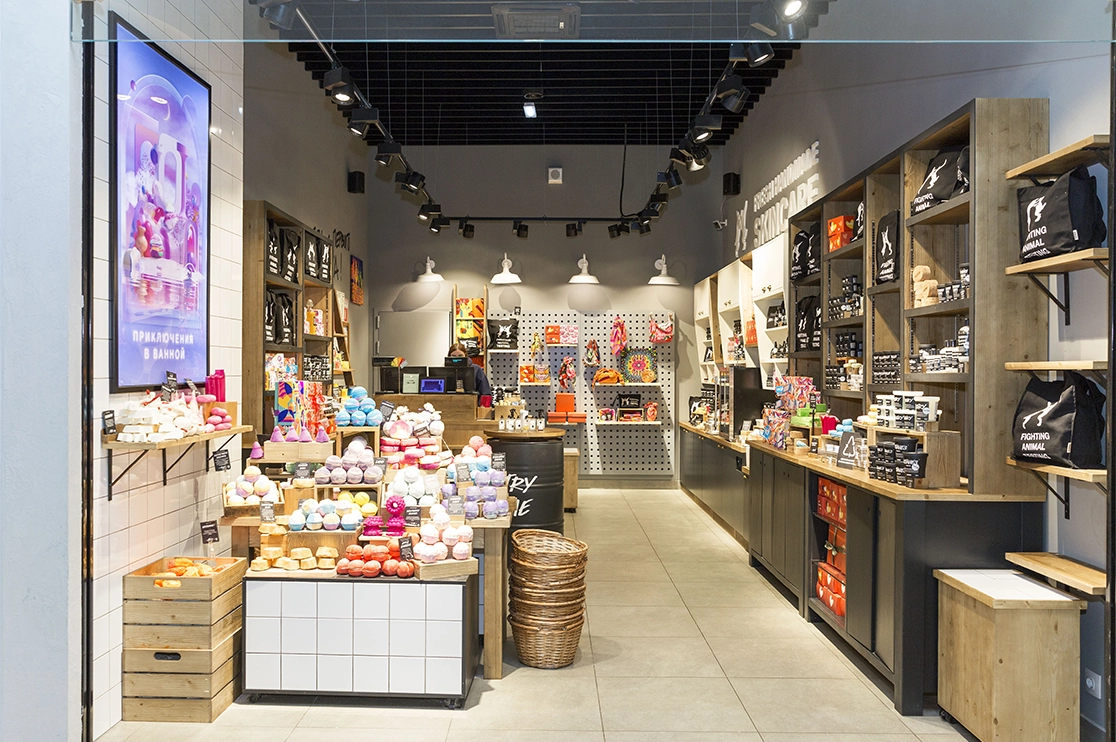
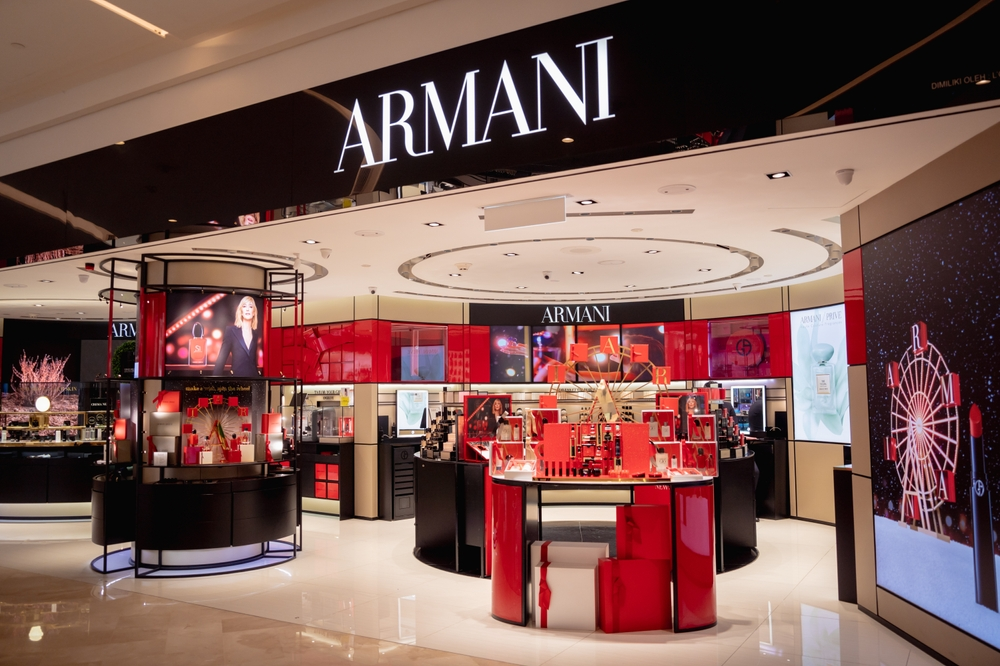
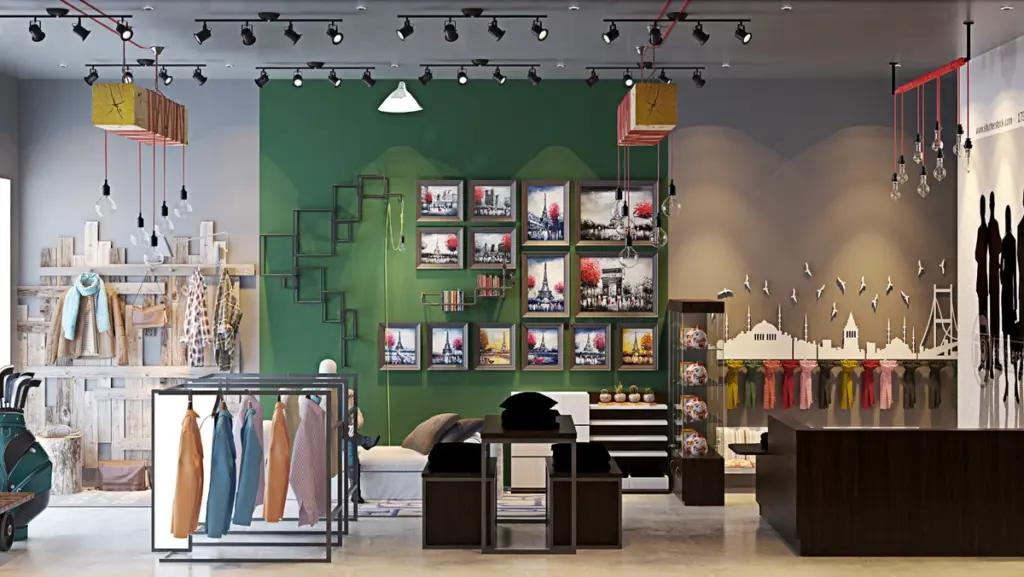
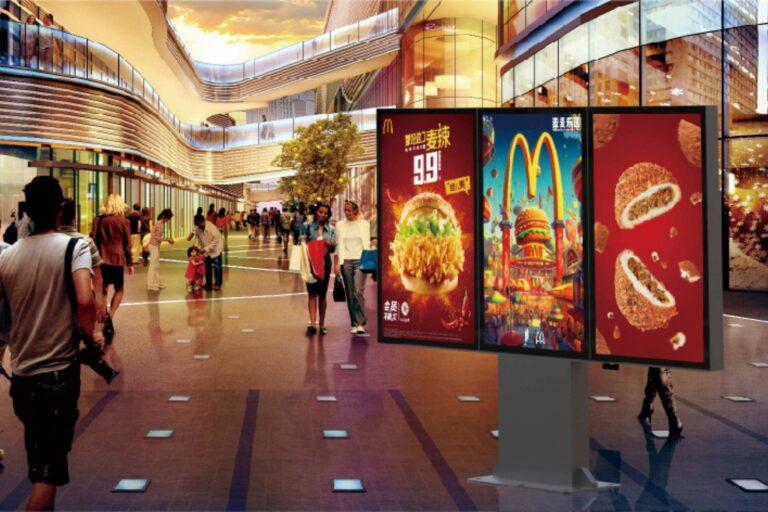
It’s widely recognised that around 80% of the information processed by the human brain is visual. As highly visual beings, shoppers instinctively respond to environments that are attractive, clear, and well thought out. In retail, this means that strong visual design plays a crucial role in capturing attention, communicating brand value, and driving purchasing decisions.
With over 30 years of experience in the retail display industry, Luminati has refined a clear understanding of what works on the shop floor. Below are five proven retail design tips that can help improve customer experience, increase brand recognition, and boost sales.
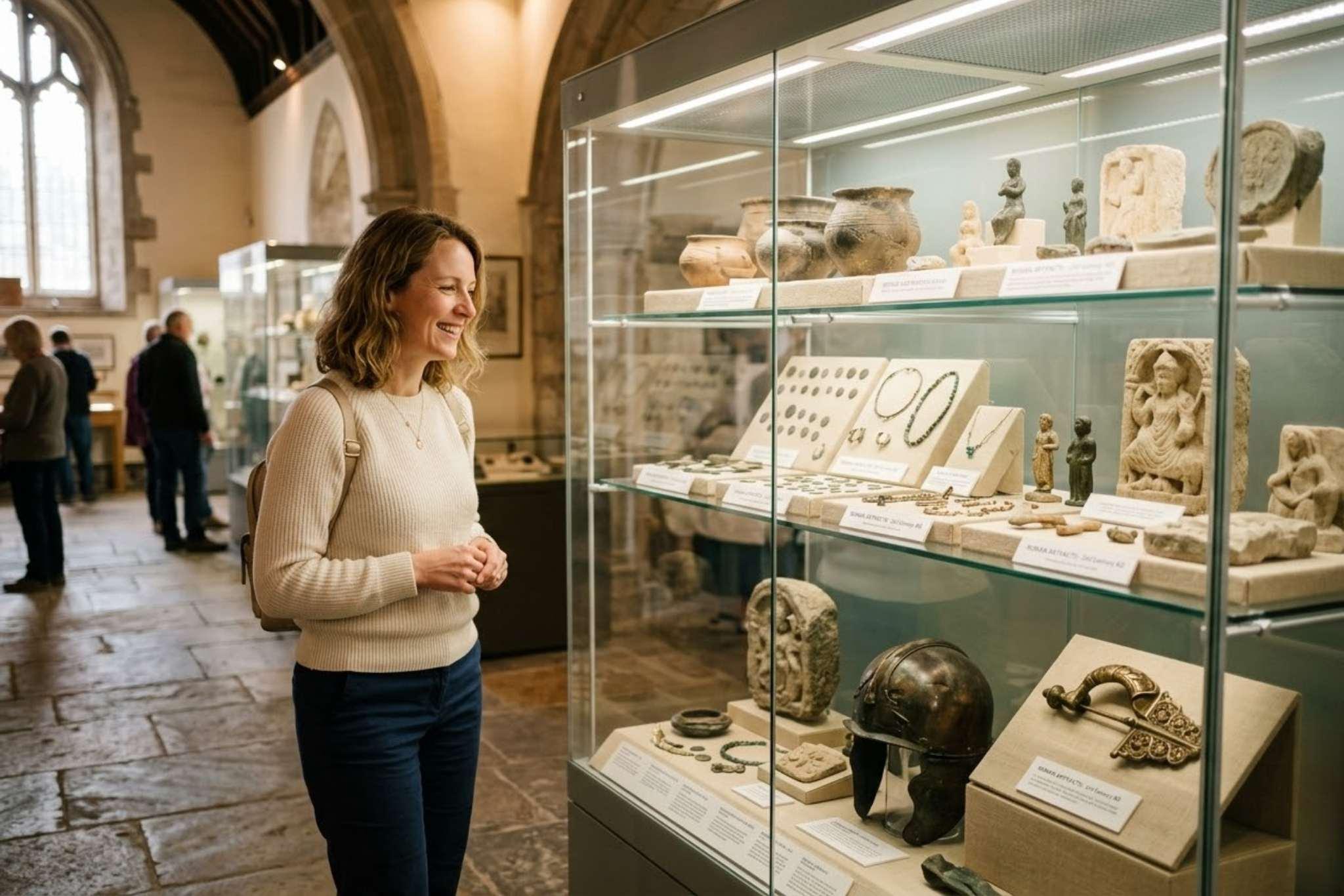
1. Design the Experience — Not Just the Display
Effective retail design goes beyond individual displays. The most successful stores focus on the entire customer journey, from the moment shoppers enter the space to the point of purchase.
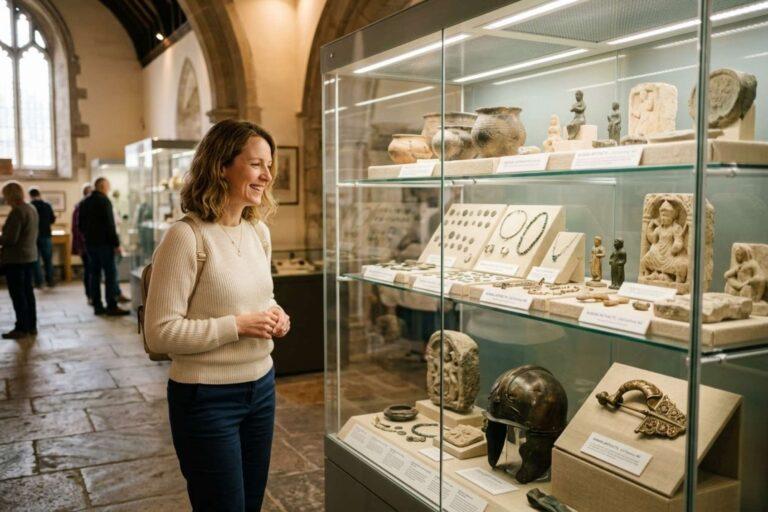
Creating a cohesive and immersive shopping experience helps customers feel comfortable, engaged, and confident in their buying decisions. When customers enjoy the experience, they’re more likely to:
Spend more time in-store
Make higher-value purchases
Return in the future
Recommend your store to others
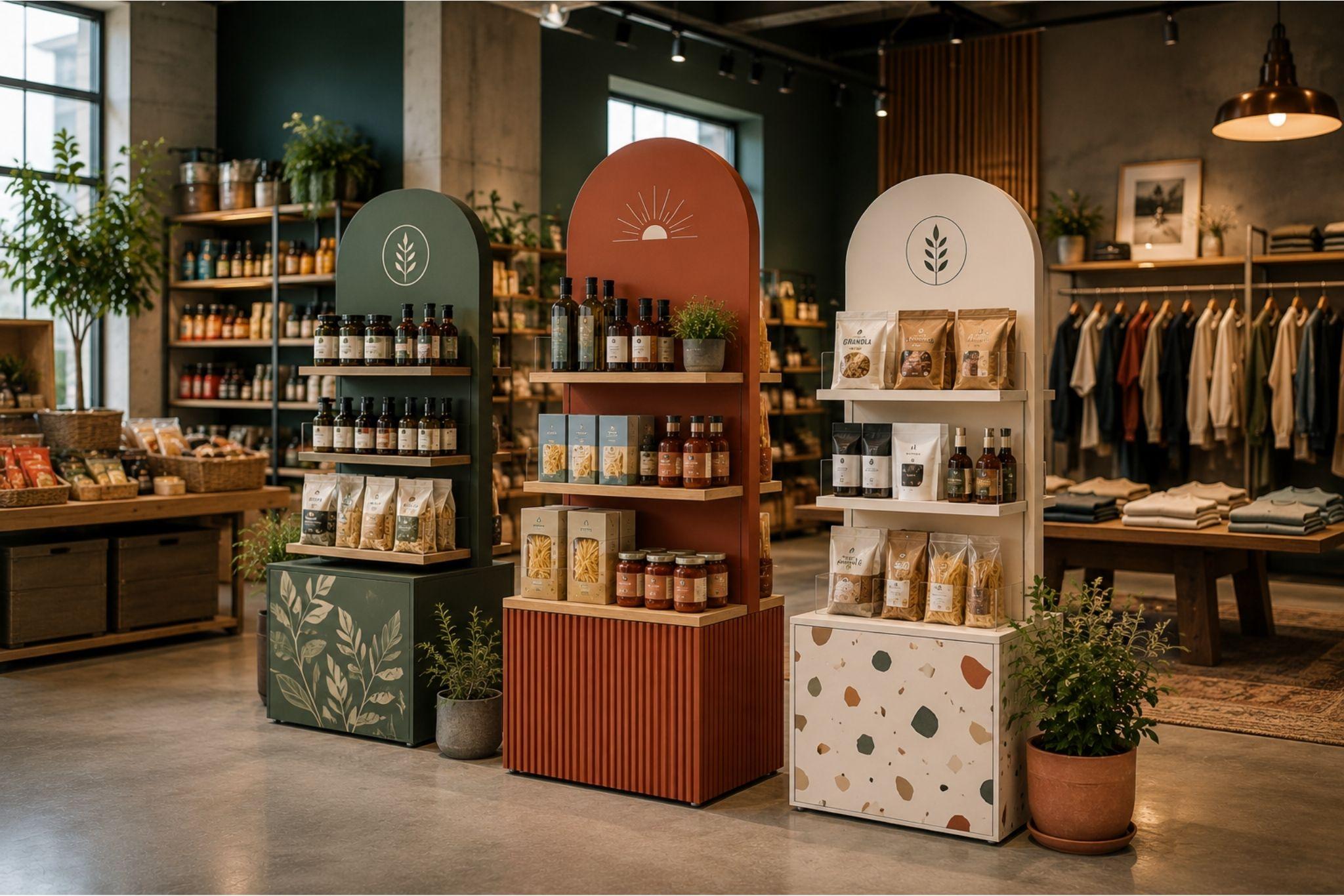
2. Avoid Overcrowding Your Displays
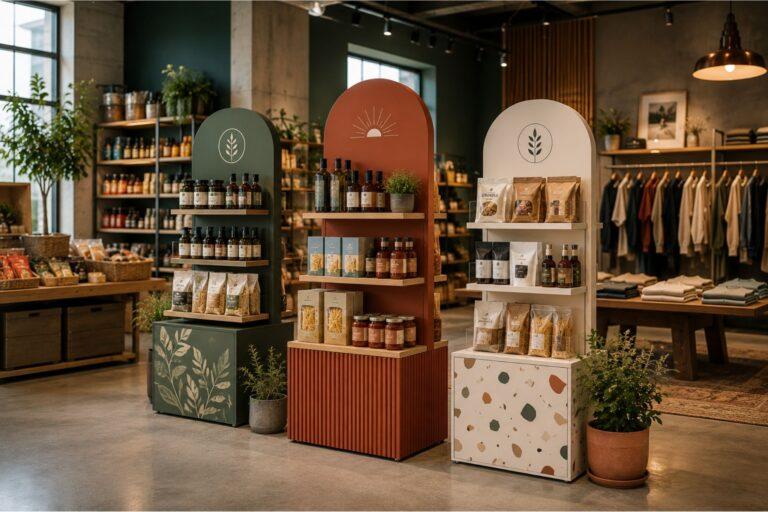
One of the most common mistakes in retail design is trying to display too much product at once. Overcrowded displays can feel chaotic and overwhelming, making it harder for customers to focus on individual products.
Instead:
- Display only key or featured products
- Use negative space to highlight items
- Allow products room to “breathe”
A brighter, more open layout feels intentional and premium, while also reducing the risk of merchandise being knocked or damaged.
3. Refresh Displays Regularly
Retail is fast-moving, and displays that remain unchanged for too long can quickly feel dated. Regular updates help maintain customer interest and signal that your brand is current and active.
Retail experts recommend refreshing displays monthly, aligning them with:
- Seasonal changes
- Holidays and promotions
- New product launches
Keeping displays fresh encourages repeat visits and ensures returning customers always have something new to discover.
4. Use Checkout Displays to Encourage Impulse Buys
Checkout areas are prime real estate. Studies show that up to 27% of shoppers make an additional purchase at the till, even though these displays occupy only a small portion of the store.
The most effective impulse products are:
- Easy to pick up
- Low-cost
- Self-explanatory
Many successful retailers place small, bespoke displays or bowls near queues to subtly encourage last-minute purchases without disrupting the flow of customers.
5. Optimise Store Layout and Wayfinding
Modern shoppers are time-conscious and often arrive knowing what they want. A clear, intuitive layout helps customers find products quickly and improves overall satisfaction.
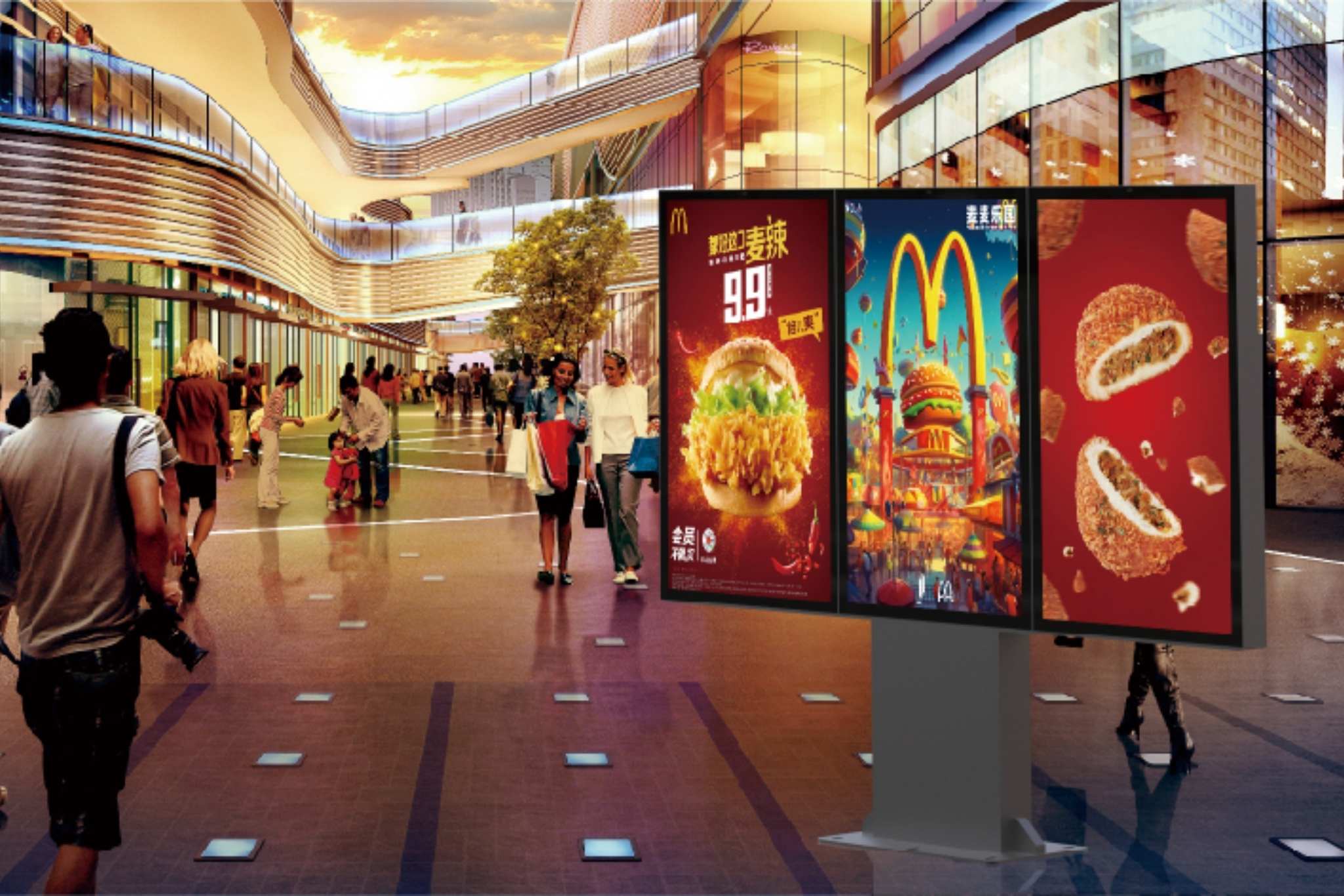
Wayfinding signage can be especially effective in larger stores and may include:
- Printed directories
- Category signage
- Digital screens showing product locations
Good wayfinding reduces frustration, improves navigation, and encourages shoppers to explore more of your store.
Final Thoughts
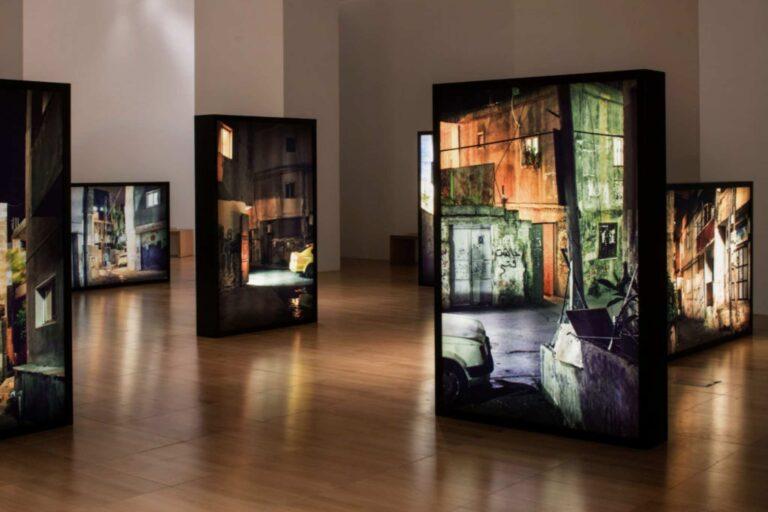
Retail displays are a powerful sales tool, but in a competitive market, the brands that succeed are those that create memorable experiences, not just attractive fixtures. Thoughtful retail design builds trust, enhances brand perception, and directly influences purchasing behaviour.
If you’re considering creating or upgrading a retail display to attract attention, generate footfall, and increase sales, our Display Design Service offers fully bespoke solutions tailored to your needs. Our conceptual designers and sales team work closely together to deliver projects efficiently and to the highest standard.
You can also explore our wide range of standard display products on our website or speak directly with our sales team [email protected] or 01752 698720.
FAQs For Effective Retail Design
What makes an effective retail design?
Effective retail design combines visual merchandising, store layout, lighting, and customer flow to create an engaging shopping experience that encourages purchasing and repeat visits.
Why is retail display design important?
Retail displays attract attention, highlight key products, communicate brand identity, and directly influence buying decisions. Well-designed displays can significantly increase sales and dwell time.
How often should retail displays be updated?
Most retail experts recommend updating displays at least once a month to reflect seasons, promotions, and new product launches, keeping the store environment fresh and engaging.
How can I improve impulse purchases in my store?
Placing small, low-cost, easy-to-understand products near checkout areas is one of the most effective ways to encourage impulse buying without taking up significant space.
What role does store layout play in retail success?
A clear and intuitive store layout helps customers find products quickly, reduces frustration, and improves overall customer satisfaction—leading to higher conversion rates.
What is wayfinding in retail design?
Wayfinding refers to signage and visual cues that guide customers through a store, helping them locate products efficiently and encouraging exploration of different areas.
Can professional retail display design increase sales?
Yes. Professionally designed retail displays create stronger visual impact, enhance brand perception, and improve customer engagement, all of which contribute to increased sales.