![[STAGING] Luminati](https://images.luminati.co.uk/app/uploads/2022/03/Logo-luminati-main.png)
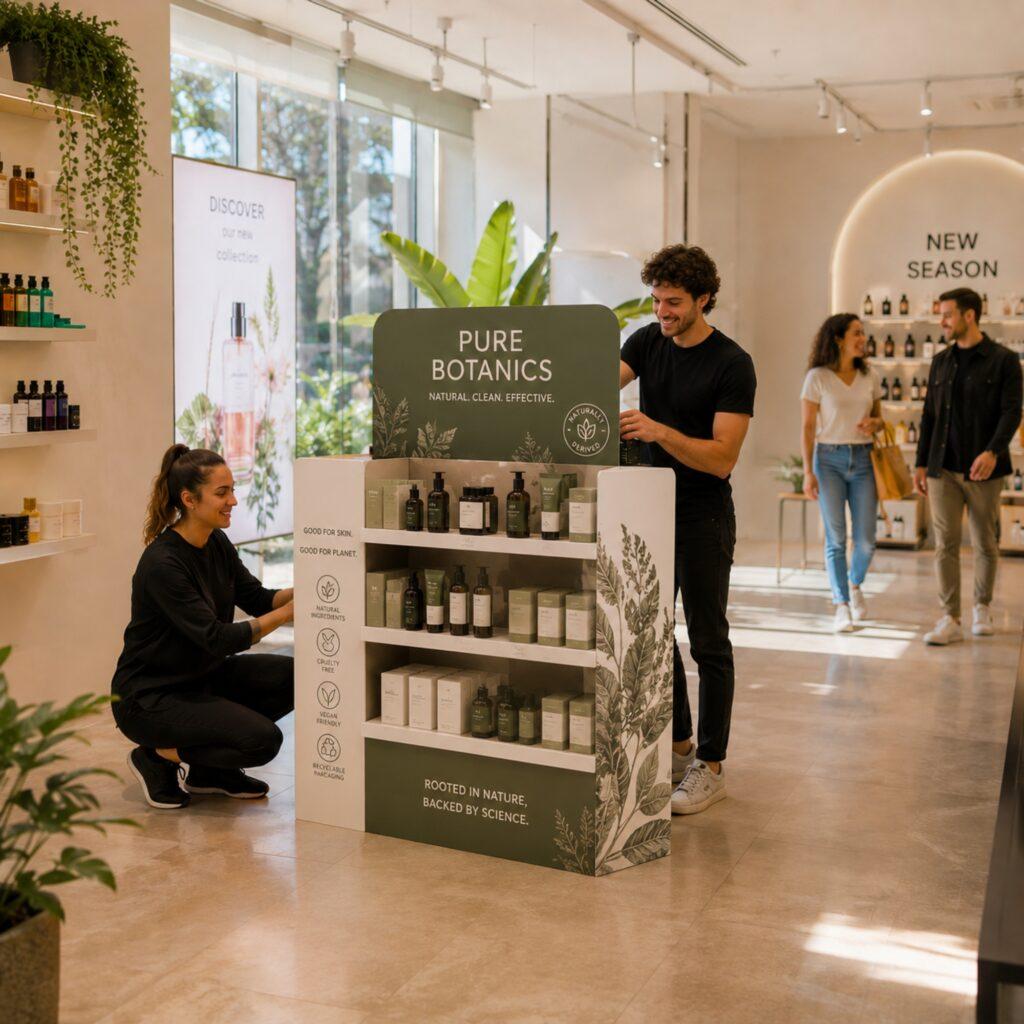
Retail displays are often one of the largest recurring costs in seasonal merchandising and promotional campaigns, but creating impactful displays doesn’t have to mean stretching your budget.
Whether you’re launching a seasonal campaign, fitting out a retail space, or refreshing point-of-sale displays, there are several ways to reduce retail display production costs while still achieving a professional, high-quality finish.
The key is knowing where to save — and where cutting corners can cost you more in the long run.
In this guide, we’ll explore practical ways to lower the cost of retail display manufacturing, common mistakes businesses make, and how smart planning can improve both your budget and your display lifespan.
Retail displays are often one of the largest recurring costs in seasonal merchandising and promotional campaigns, but creating impactful displays doesn’t have to mean stretching your budget.
Whether you’re launching a seasonal campaign, fitting out a retail space, or refreshing point-of-sale displays, there are several ways to reduce retail display production costs while still achieving a professional, high-quality finish.
The key is knowing where to save — and where cutting corners can cost you more in the long run.
In this guide, we’ll explore practical ways to lower the cost of retail display manufacturing, common mistakes businesses make, and how smart planning can improve both your budget and your display lifespan.
Common Mistakes That Increase Retail Display Costs
Businesses often overspend on retail displays due to avoidable planning and production mistakes, such as:
- Ordering too late
- Changing artwork during production
- Choosing unsuitable materials
- Ignoring long-term reuse opportunities
- Ordering extremely low quantities
- Overlooking transport and storage requirements during the planning stage
- Prioritising short-term savings over durability
Why Retail Display Costs Can Quickly Increase
In addition to these common mistakes, costs can also increase due to production and customisation requirements. Costs can increase due to factors such as:
- Custom sizes and shapes
- Complex branding requirements
- Rush production times
- Low order quantities
- Frequent seasonal updates
- Premium materials
- Design revisions
- Installation requirements
The good news? Many of these costs can be reduced with better planning and smarter display design choices. Follow our steps below to learn how to reduce retail display production costs effectively.
1. Design Displays for Seasonal Flexibility
One of the most effective ways to reduce retail display costs is to create adaptable displays that can be updated throughout the year. Instead of manufacturing entirely new units for every campaign, consider using:
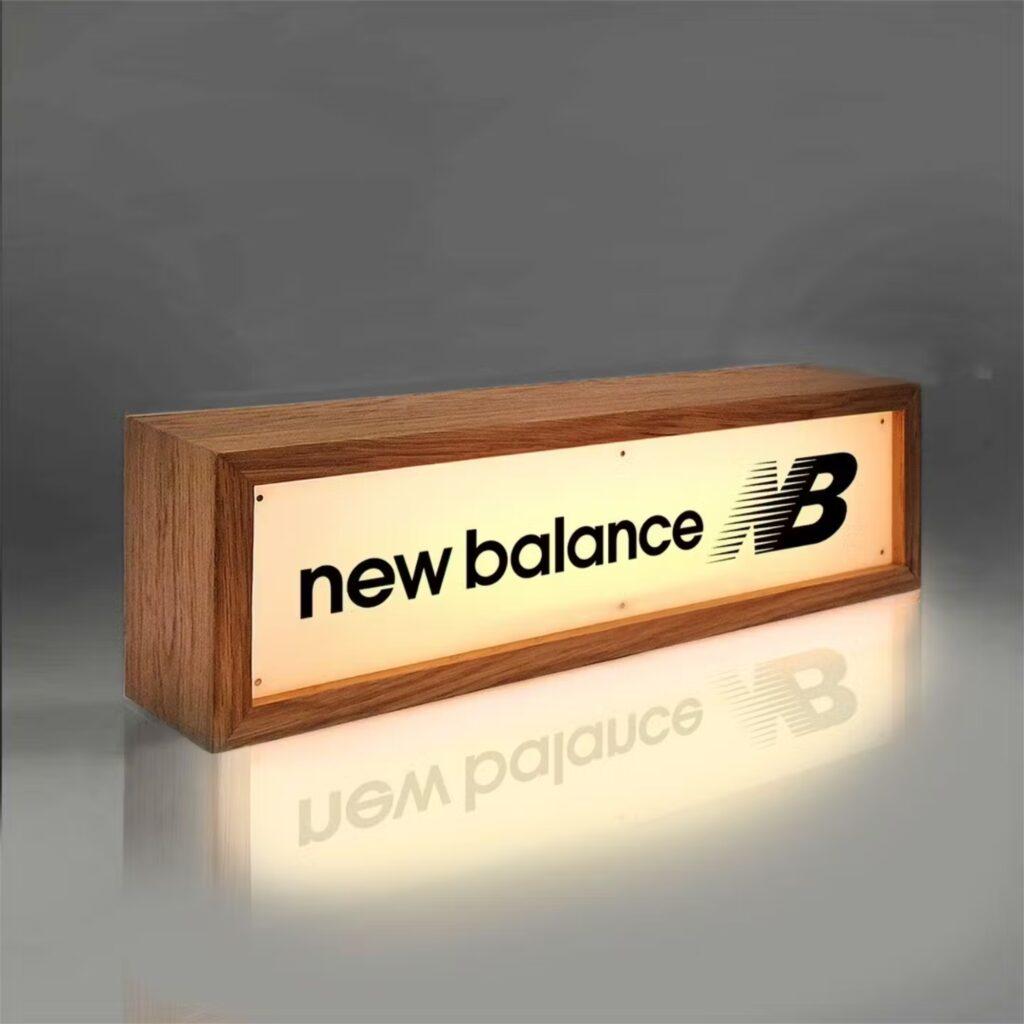
Interchangeable graphic traps
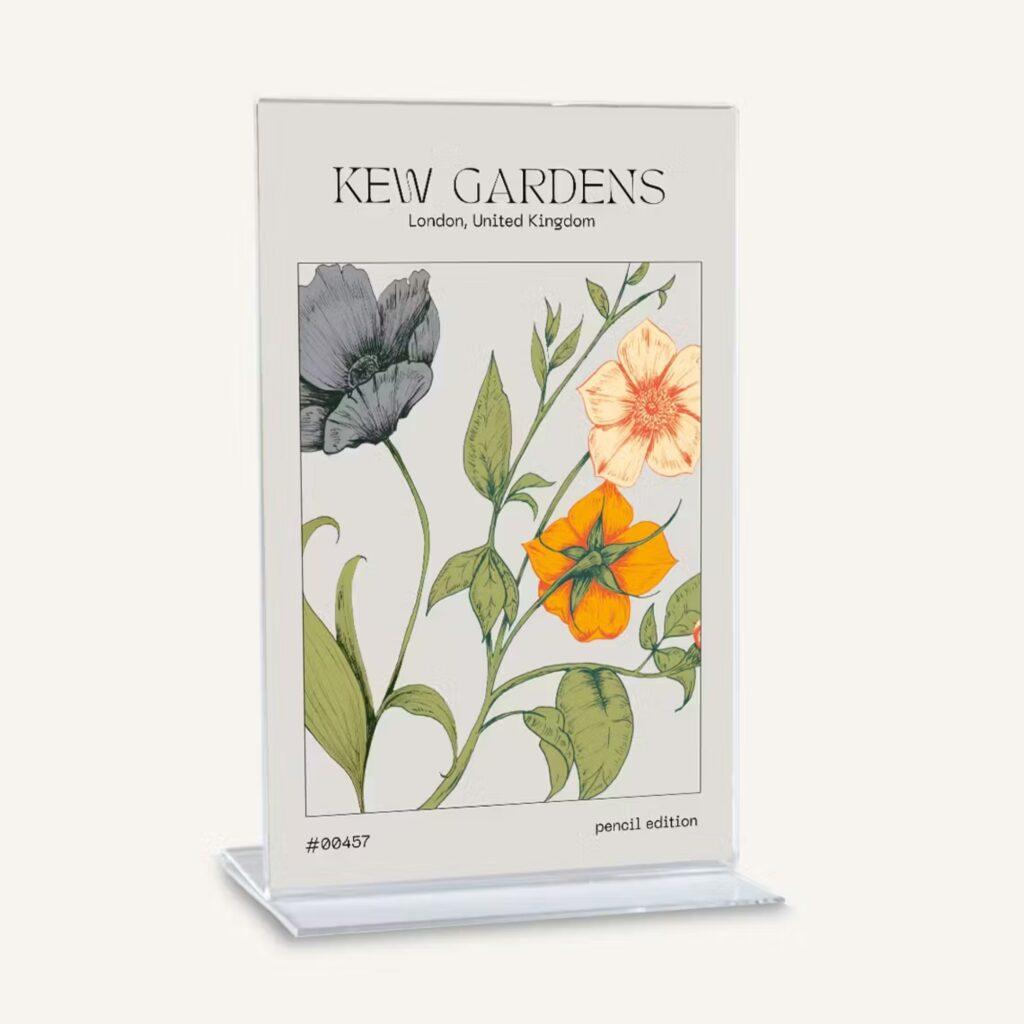
Easy-change poster frames
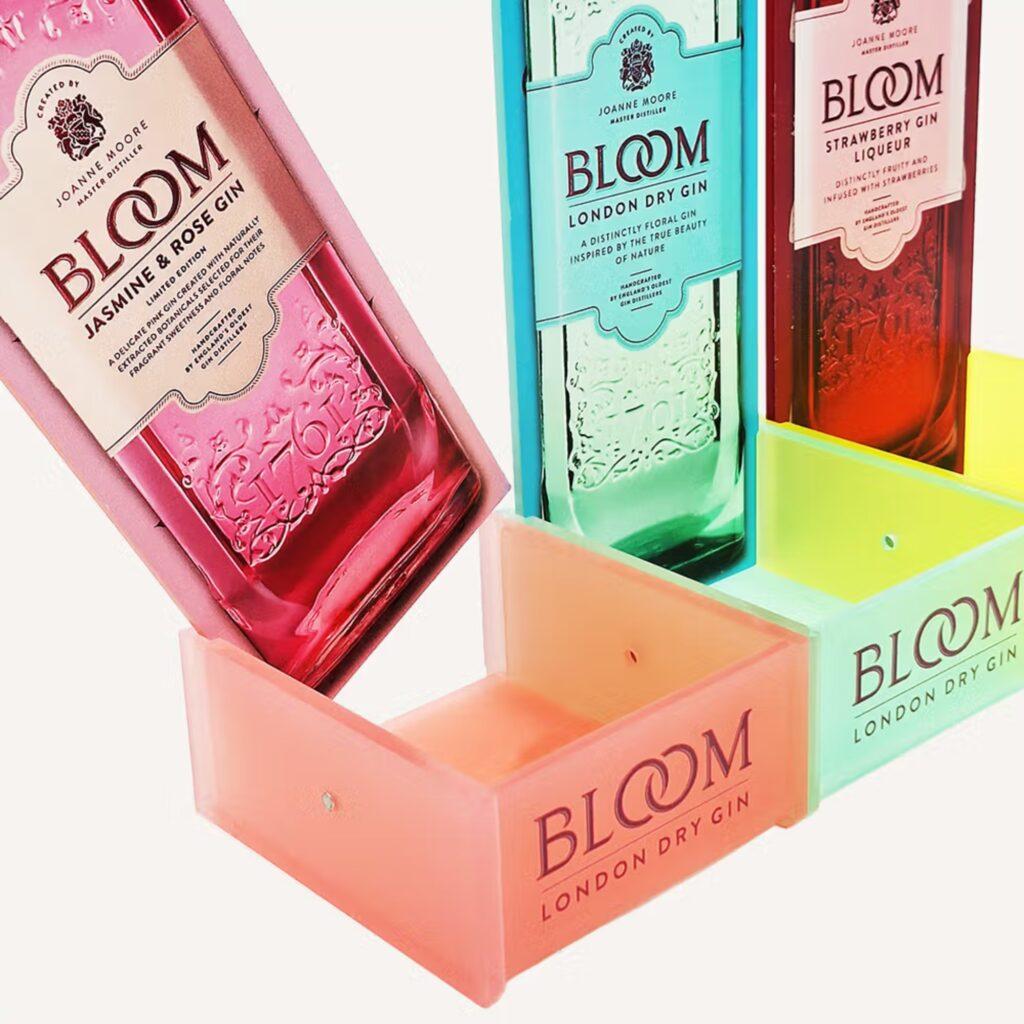
Magnetic panels & signage
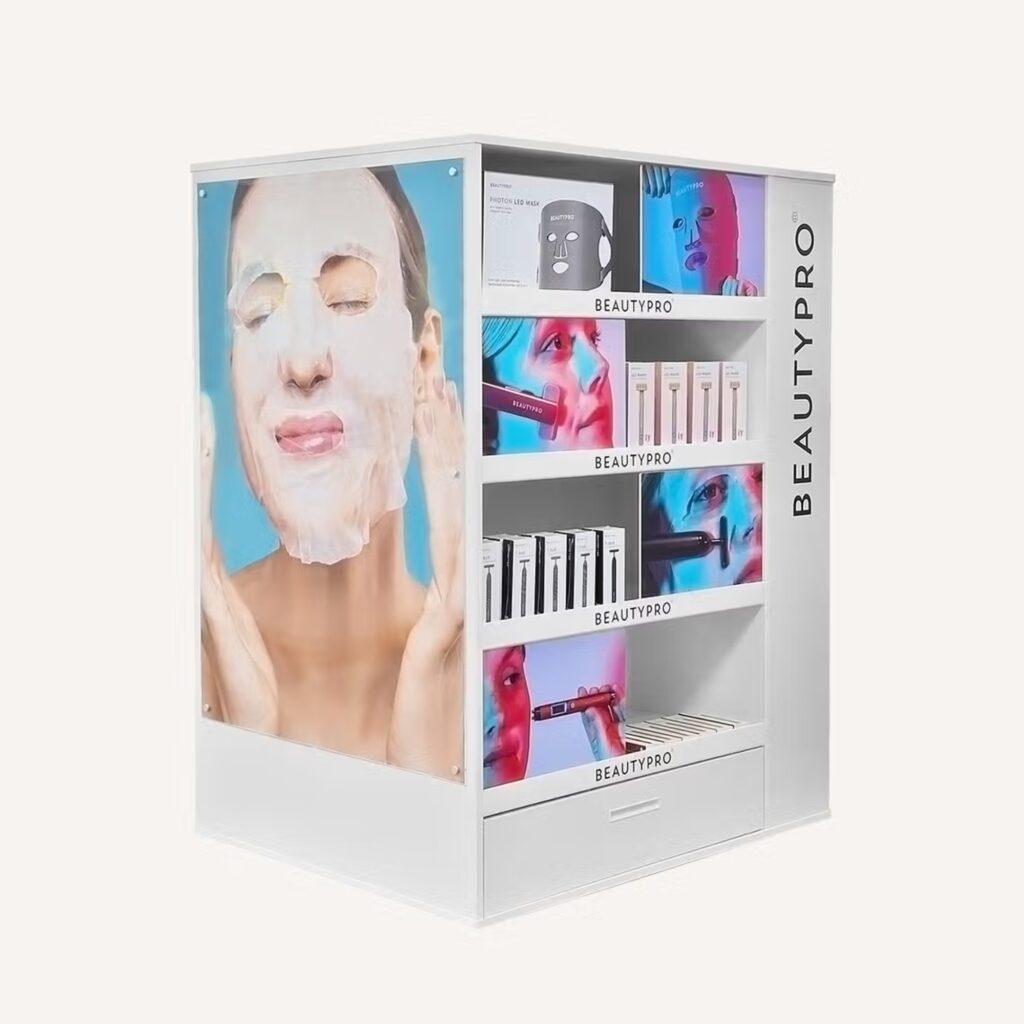
Modular retail display systems
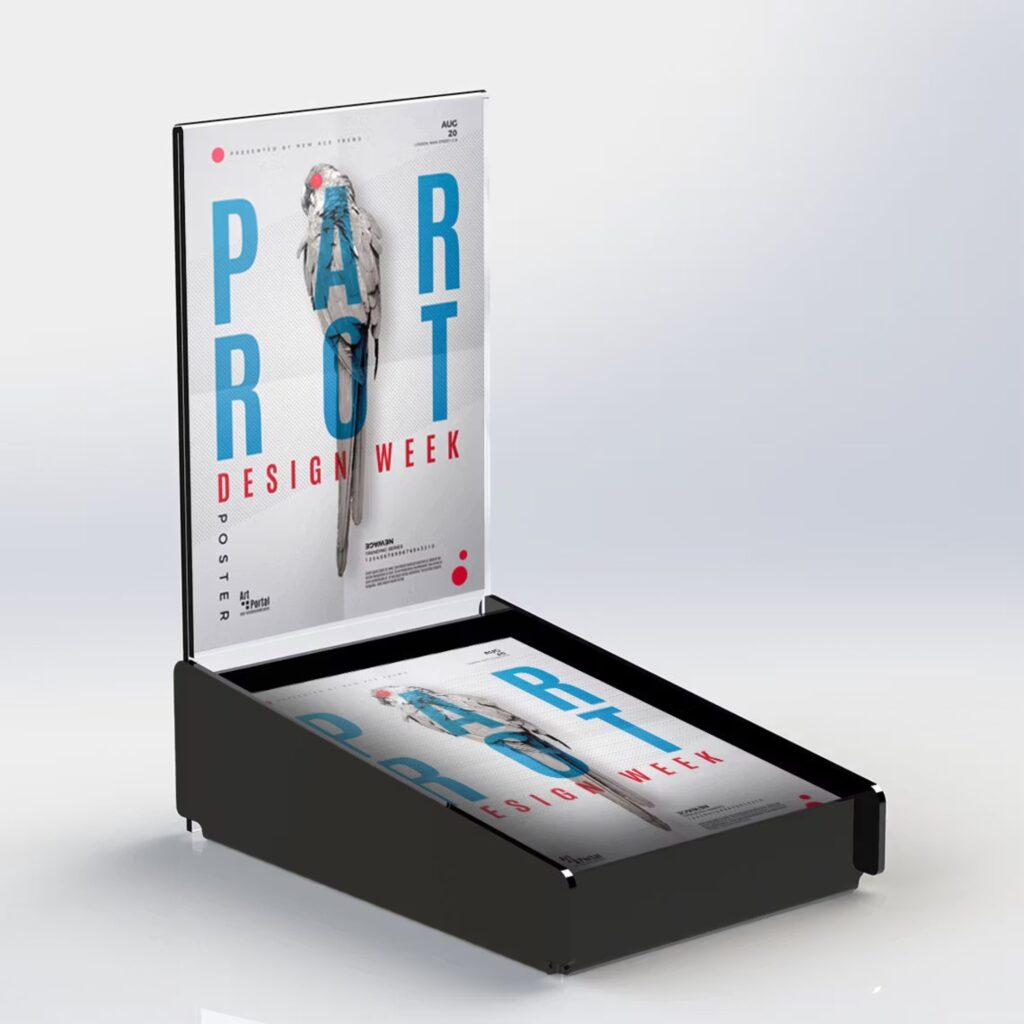
Switchable branded headers
This approach allows the main structure of the display to remain the same while only the graphics or messaging change seasonally.
For example, a retail plinth or POS display used for summer promotions could easily be refreshed for Black Friday or Christmas with new printed graphics rather than a full rebuild.
Benefits of adaptable retail displays:
- Lower long-term production costs
- Faster seasonal changeovers
- Reduced material waste
- Consistent branding across campaigns
- Easier storage and reuse
Retailers using reusable display systems often see significant savings over time compared to repeatedly ordering fully bespoke units.
2. Supply High-Quality Artwork From the Start

Providing print-ready artwork can dramatically reduce production delays and additional design costs.
Poor-quality files, missing fonts, incorrect dimensions, or low-resolution graphics often lead to:
- Artwork amendments
- Production hold-ups
- Reprinting costs
- Colour inconsistencies
If branded retail displays are required, supplying professional, high-resolution artwork from the outset helps ensure a smoother manufacturing process.
Best practices for retail display artwork:
- Use vector files where possible
- Supply correct dimensions and bleed areas
- Embed or outline fonts
- Use high-resolution images
- Confirm brand colours in advance
- Check spelling and product information carefully
Preparing artwork correctly not only reduces costs but also improves the overall quality of the finished display.
Providing print-ready artwork can dramatically reduce production delays and additional design costs.
Poor-quality files, missing fonts, incorrect dimensions, or low-resolution graphics often lead to:
- Artwork amendments
- Production hold-ups
- Reprinting costs
- Colour inconsistencies
If branded retail displays are required, supplying professional, high-resolution artwork from the outset helps ensure a smoother manufacturing process.
Best practices for retail display artwork:
- Use vector files where possible
- Supply correct dimensions and bleed areas
- Embed or outline fonts
- Use high-resolution images
- Confirm brand colours in advance
- Check spelling and product information carefully
Preparing artwork correctly not only reduces costs but also improves the overall quality of the finished display.
3. Order in Larger Batch Quantities
Small production runs can be expensive because setup costs are spread across fewer units. If possible, consider ordering retail displays in larger quantities to benefit from batch production discounts.
This is especially useful for:
- Chain retailers
- Franchise locations
- Exhibition rollouts
- Seasonal campaigns
- National promotions
Bulk ordering can reduce:
- Material waste
- Machine setup time
- Packaging costs
- Shipping costs per unit
Even slightly increasing your order quantity can often lower the cost per display considerably.
4. Plan Ahead to Avoid Rush Charges
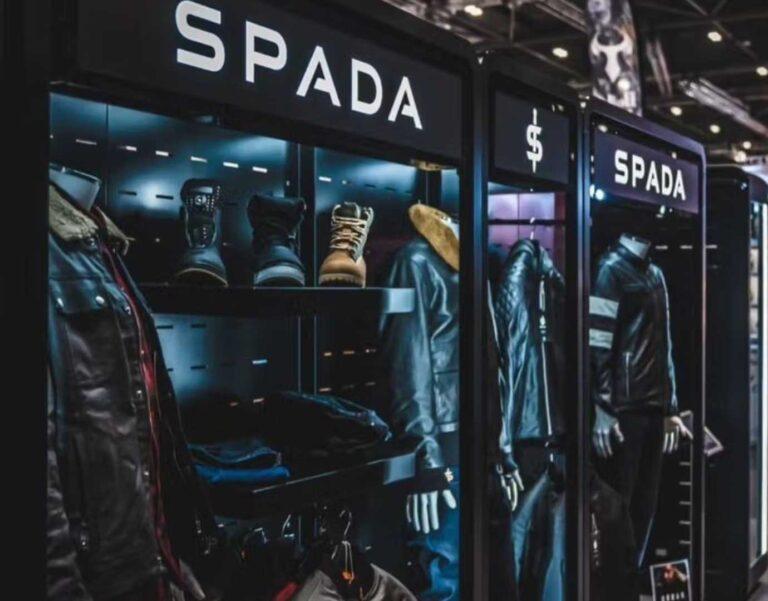
One of the biggest hidden costs in retail display production is urgency. Last-minute projects often result in:
- Expedited manufacturing fees
- Increased shipping costs
- Limited material availability
- Fewer production options
Planning retail displays well in advance gives manufacturers more flexibility with scheduling, materials and production methods, while also helping to improve consistency across multiple display units.
Allowing adequate time for each stage helps reduce costly mistakes and unnecessary delays. You can view our full production process below on our services page for more information.
One of the biggest hidden costs in retail display production is urgency. Last-minute projects often result in:
- Expedited manufacturing fees
- Increased shipping costs
- Limited material availability
- Fewer production options
Planning retail displays well in advance gives manufacturers more flexibility with scheduling, materials and production methods, while also helping to improve consistency across multiple display units.
Allowing adequate time for each stage helps reduce costly mistakes and unnecessary delays. You can view our full production process below on our services page for more information.
5. Utilise Flat Pack Displays to Reduce Transport Costs
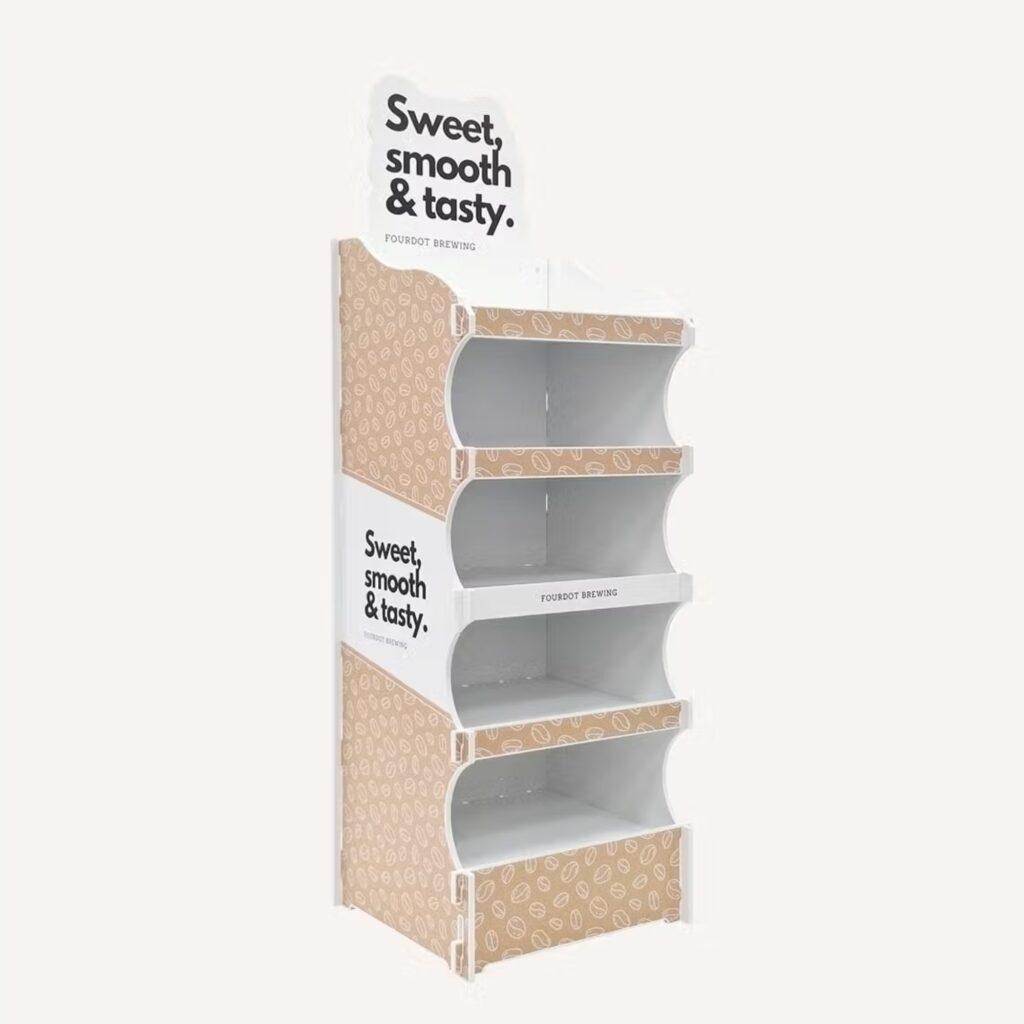
Flat pack display units can significantly reduce transport and storage costs while improving efficiency for multi-site rollouts and seasonal campaigns. By designing displays that can be supplied flat and assembled on-site, businesses can:
- Minimise shipping volumes
- Simplify logistics
- Make distribution more cost-effective without compromising on quality or appearance
6. Reduce Repeat Printing Costs with Digital Signage
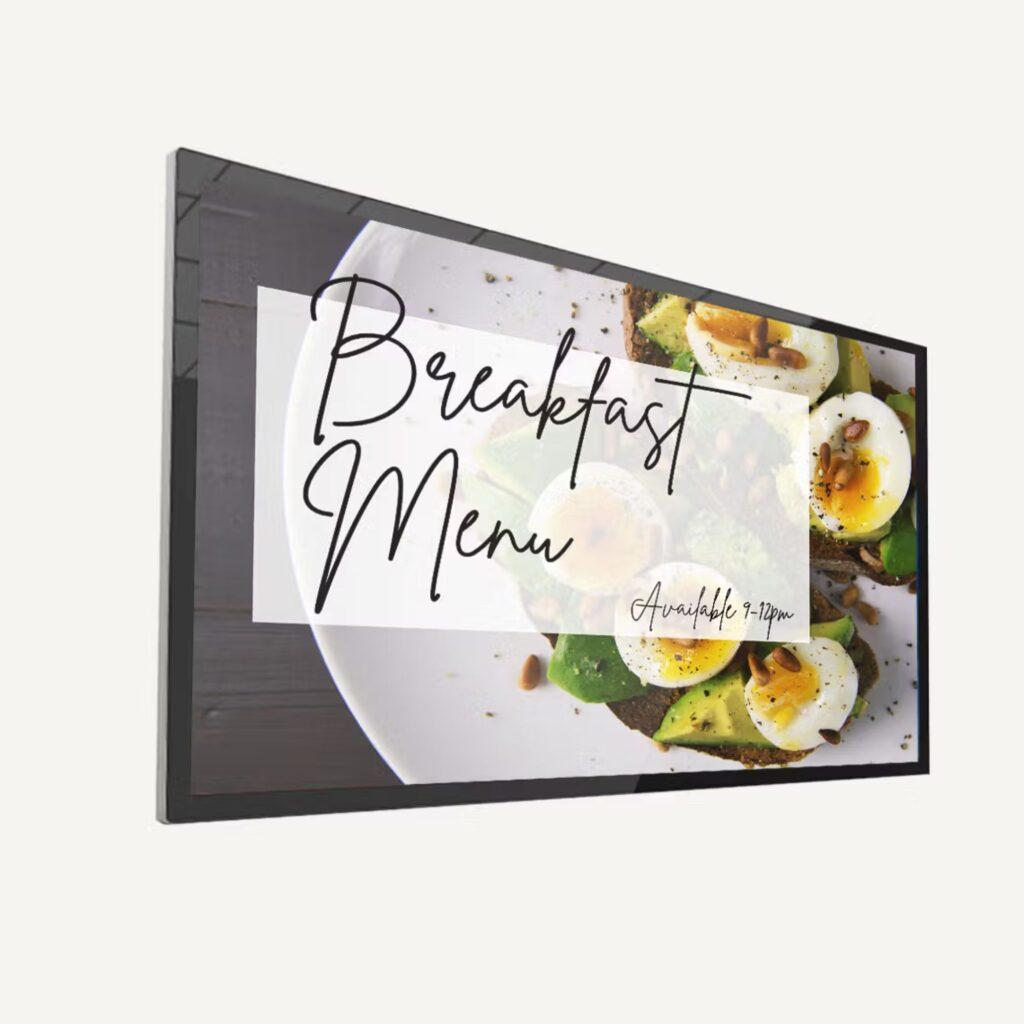
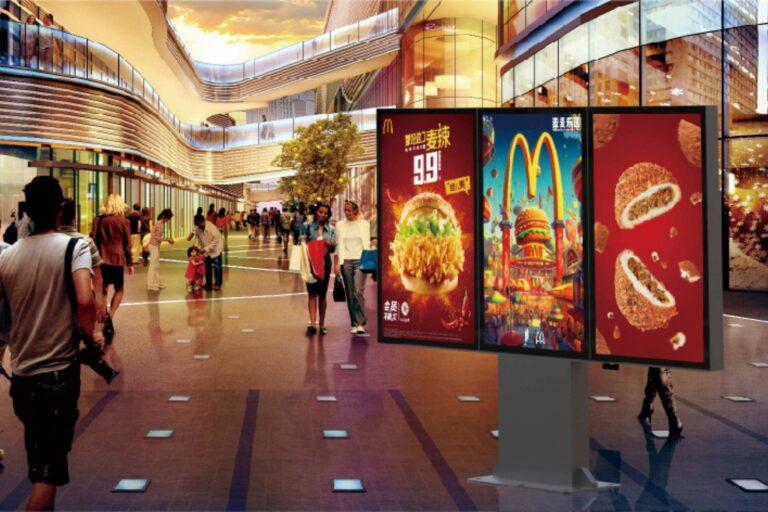
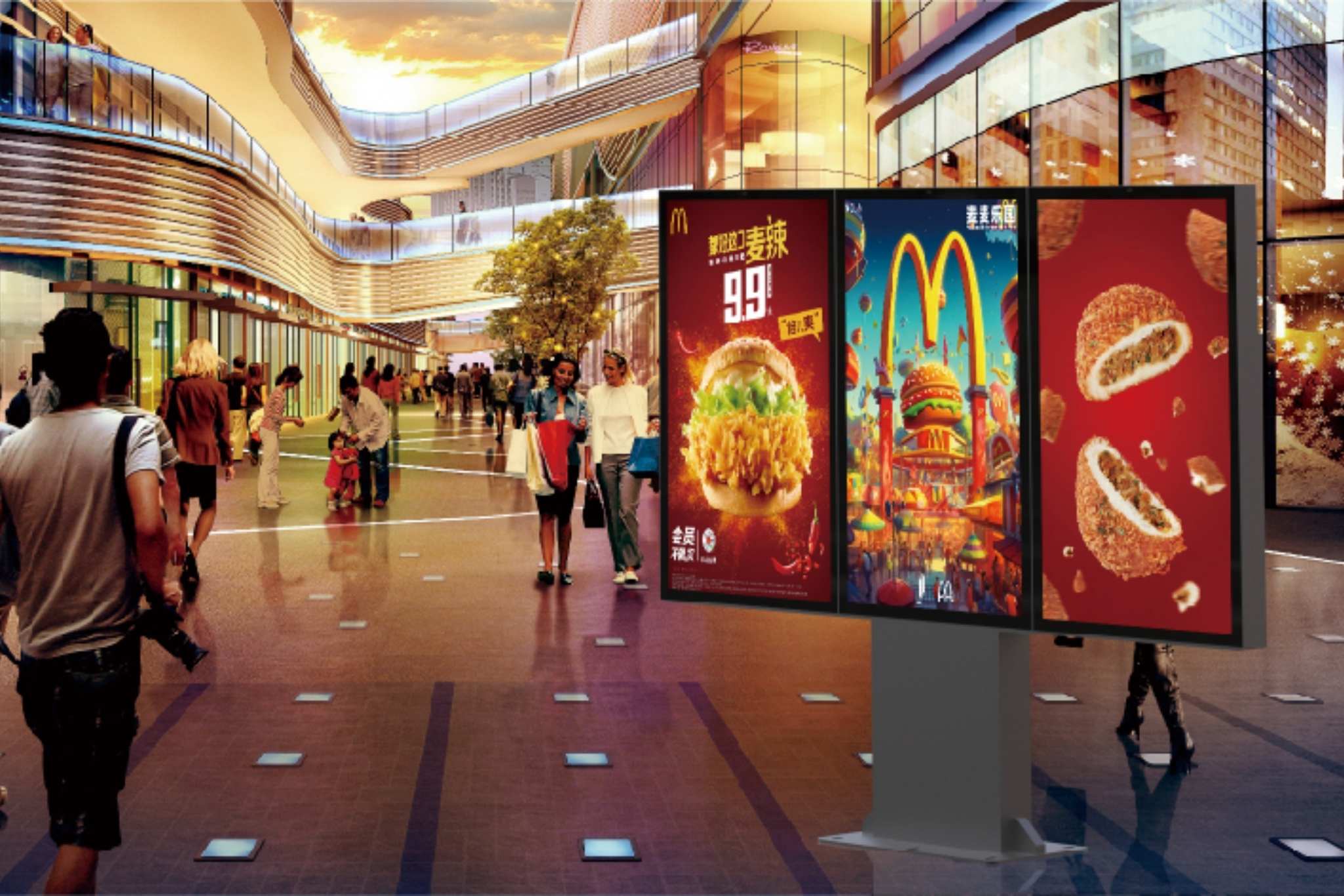
Digital screen signage and digital menu boards can offer valuable long-term cost savings for retailers, restaurants, gyms, estate agents, and hospitality businesses. It’s especially effective for businesses that regularly update promotions, pricing, menus, seasonal campaigns, or customer messaging.
Benefits include:
- Reduced repeat printing and replacement costs
- Instant content updates without producing new graphics
- Less material waste compared to disposable printed signage
- Greater flexibility for promotions, launches, and seasonal campaigns
- Easier updates across multiple retail locations
- Lower long-term production costs for frequently changing displays
Digital signage also helps businesses react faster to new campaigns and changing customer demands – without the ongoing expense of reprinting traditional retail displays.
6. Reduce Repeat Printing Costs with Digital Signage
Digital screen signage and digital menu boards can offer valuable long-term cost savings for retailers, restaurants, gyms, estate agents, and hospitality businesses. It’s especially effective for businesses that regularly update promotions, pricing, menus, seasonal campaigns, or customer messaging.
Benefits include:
- Reduced repeat printing and replacement costs
- Instant content updates without producing new graphics
- Less material waste compared to disposable printed signage
- Greater flexibility for promotions, launches, and seasonal campaigns
- Easier updates across multiple retail locations
- Lower long-term production costs for frequently changing displays
Digital signage also helps businesses react faster to new campaigns and changing customer demands – without the ongoing expense of reprinting traditional retail displays.
7. Choose Materials Carefully
While cheaper materials may reduce initial costs, they can negatively affect the durability and appearance of your retail display.
This is particularly important for:
- High-footfall retail environments
- Long-term installations
- Interactive displays
- Freestanding POS units
Low-quality materials may:
- Scratch easily
- Warp over time
- Fade under lighting
- Require earlier replacement
- Damage brand perception
Investing in durable materials can often save money long term by extending the lifespan of the display.
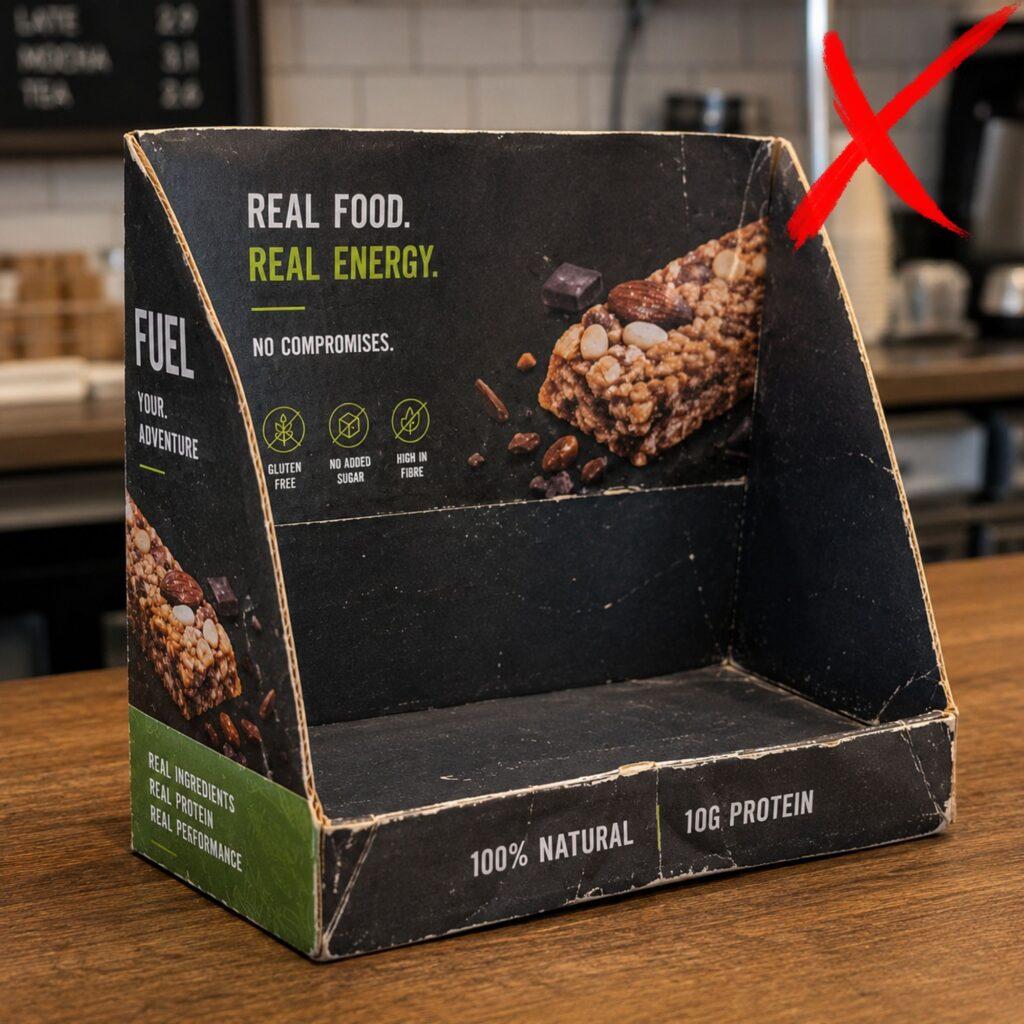
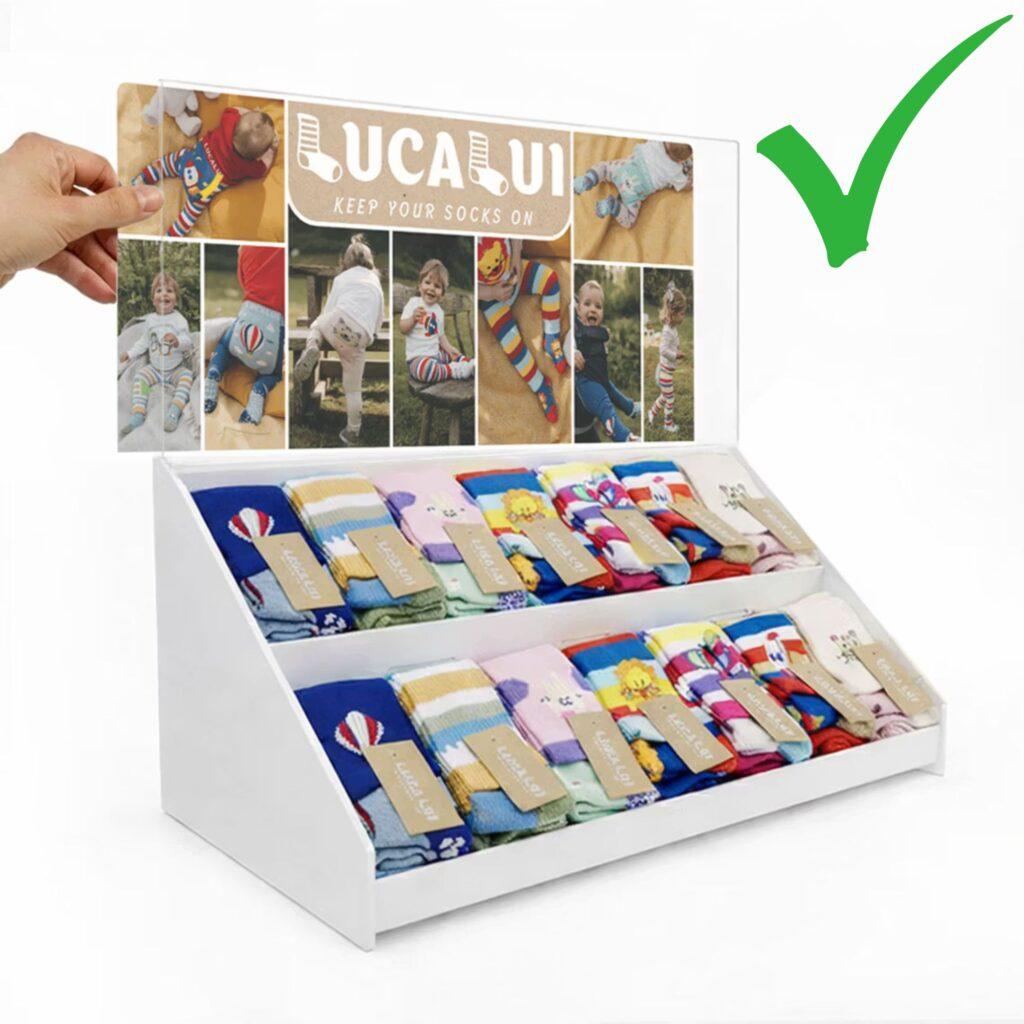
7. Choose Materials Carefully
While cheaper materials may reduce initial costs, they can negatively affect the durability and appearance of your retail display.
This is particularly important for:
- High-footfall retail environments
- Long-term installations
- Interactive displays
- Freestanding POS units
Low-quality materials may:
- Scratch easily
- Warp over time
- Fade under lighting
- Require earlier replacement
- Damage brand perception
Investing in durable materials can often save money long term by extending the lifespan of the display.
Retail Display Material Solutions for a Long Lasting Display:
Acrylic
A premium, durable material ideal for sleek retail displays, product glorifiers and branded POS signage.
Foamex PVC
A lightweight and cost-effective option commonly used for promotional signage, temporary displays and printed retail graphics.
Dibond
A strong aluminium composite material suitable for long-term retail signage, wall displays and high-quality branded graphics.
MDF
A versatile material often used for bespoke retail furniture, display plinths and painted merchandising units.
Aluminium composite
A durable, professional-looking material ideal for modern retail displays, wayfinding signage and high-traffic environments.
PETG
A clear, impact-resistant plastic commonly used for protective screens, retail display components and durable transparent signage.
Each material offers different advantages depending on the application, budget and expected lifespan. As part of our bespoke design service, we will recommend the most suitable material for your project. You can contact our team for guidance here.
8. Avoid Overcomplicating the Design
Complex display designs may look impressive, but they often increase:
- Manufacturing time
- Assembly requirements
- Shipping costs
- Risk of damage
Sometimes, simpler retail displays are not only more affordable but also more effective in-store.
A clean, well-branded display with strong messaging can outperform an overly complicated design that distracts from the product itself. Plinths such as our Hexagonal Display Plinth Pedestals offer an effective way to create eye-catching retail displays while keeping branding and product presentation clear and focused.
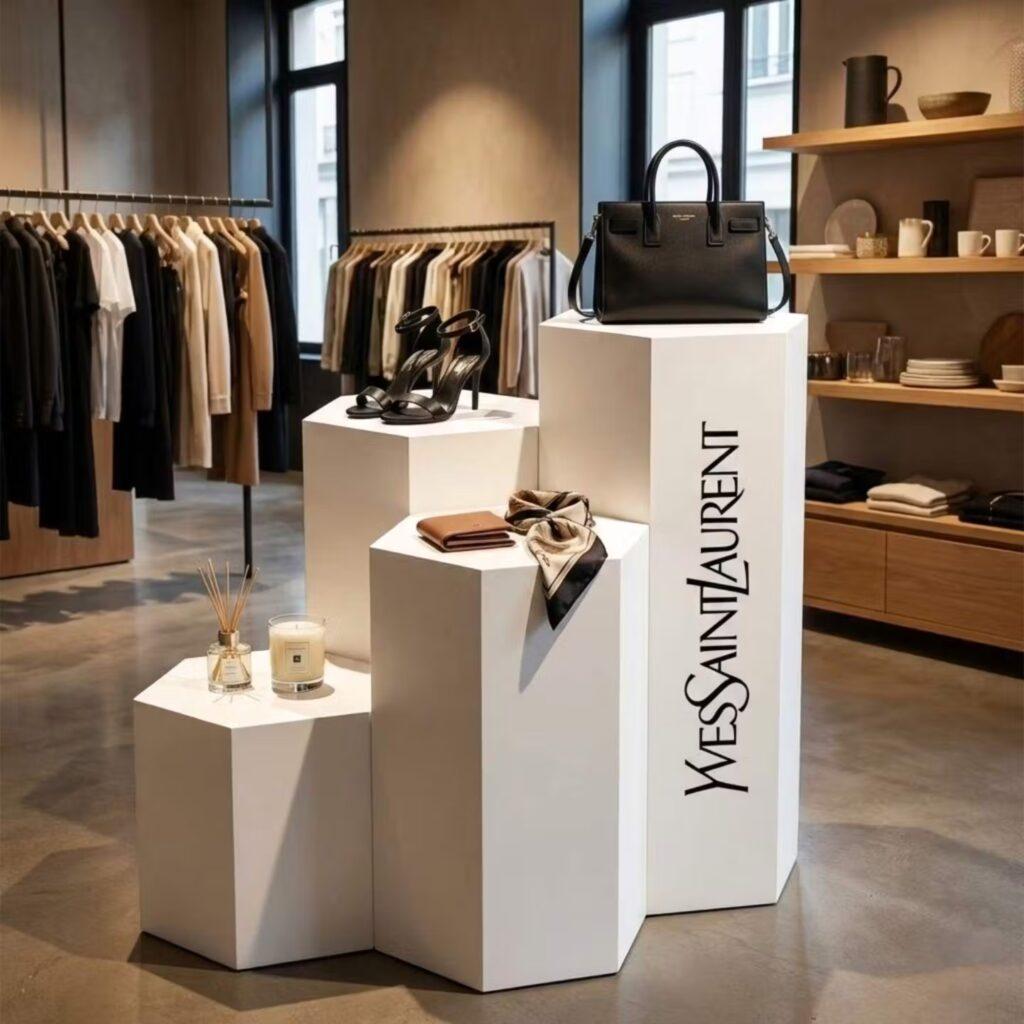
8. Avoid Overcomplicating the Design
Complex display designs may look impressive, but they often increase:
- Manufacturing time
- Assembly requirements
- Shipping costs
- Risk of damage
Sometimes, simpler retail displays are not only more affordable but also more effective in-store.
A clean, well-branded display with strong messaging can outperform an overly complicated design that distracts from the product itself. Plinths such as our Hexagonal Display Plinth Pedestals offer an effective way to create eye-catching retail displays while keeping branding and product presentation clear and focused.
Cost Reduction Shouldn’t Mean Lower Impact
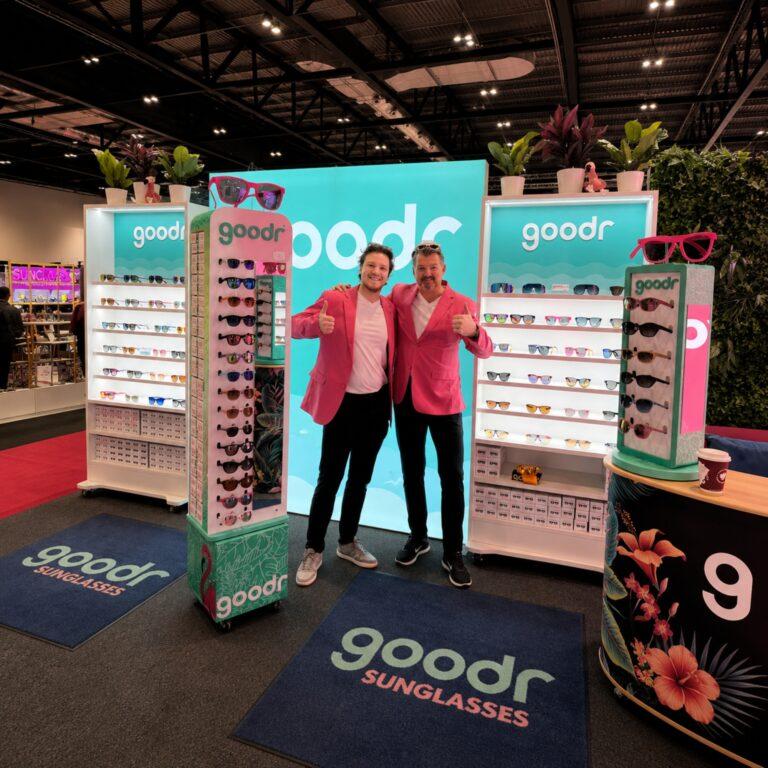
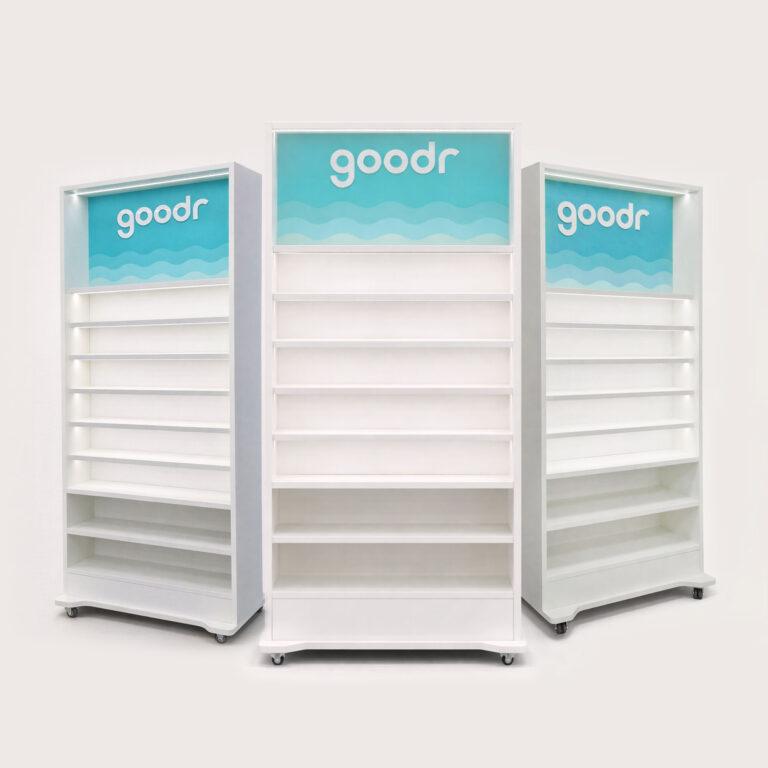
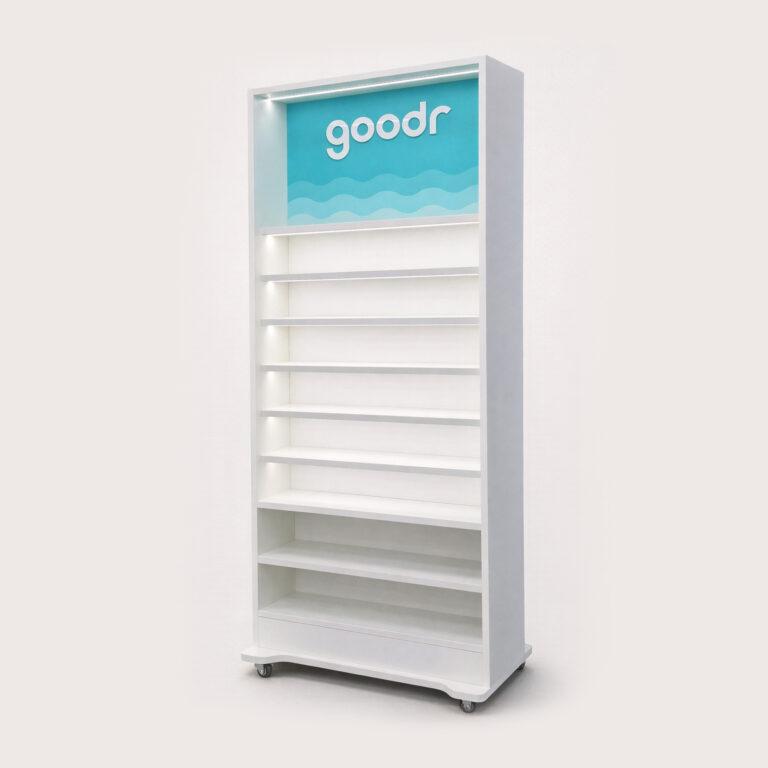
Reducing retail display production costs is about making smarter decisions — not necessarily choosing the cheapest option available.
The most cost-effective retail displays are usually those that:
- Last longer
- Adapt to multiple campaigns
- Maintain strong branding
- Reduce future replacement costs
- Deliver a better customer experience
With careful planning, quality artwork preparation, and strategic material choices, businesses can create professional retail displays that maximise both impact and budget.
For retailers looking to improve efficiency without compromising presentation, investing in adaptable, well-manufactured display solutions can make a substantial difference over time.
Cost Reduction Shouldn’t Mean Lower Impact
Reducing retail display production costs is about making smarter decisions — not necessarily choosing the cheapest option available.
The most cost-effective retail displays are usually those that:
- Last longer
- Adapt to multiple campaigns
- Maintain strong branding
- Reduce future replacement costs
- Deliver a better customer experience
With careful planning, quality artwork preparation, and strategic material choices, businesses can create professional retail displays that maximise both impact and budget.
For retailers looking to improve efficiency without compromising presentation, investing in adaptable, well-manufactured display solutions can make a substantial difference over time.
Sustainability & Cost Efficiency in Retail Displays
Sustainability is increasingly linked to cost efficiency in retail display design. By choosing reusable and adaptable solutions, businesses can reduce waste, extend product lifespan and lower the need for frequent replacements.
This approach can deliver savings in several ways:
♻️ Reduced material waste through reusable display structures
🔁 Longer product lifespans with durable, high-quality materials
📉 Fewer replacement costs over seasonal or promotional cycles
🧠 More efficient use of assets through adaptable, modular design
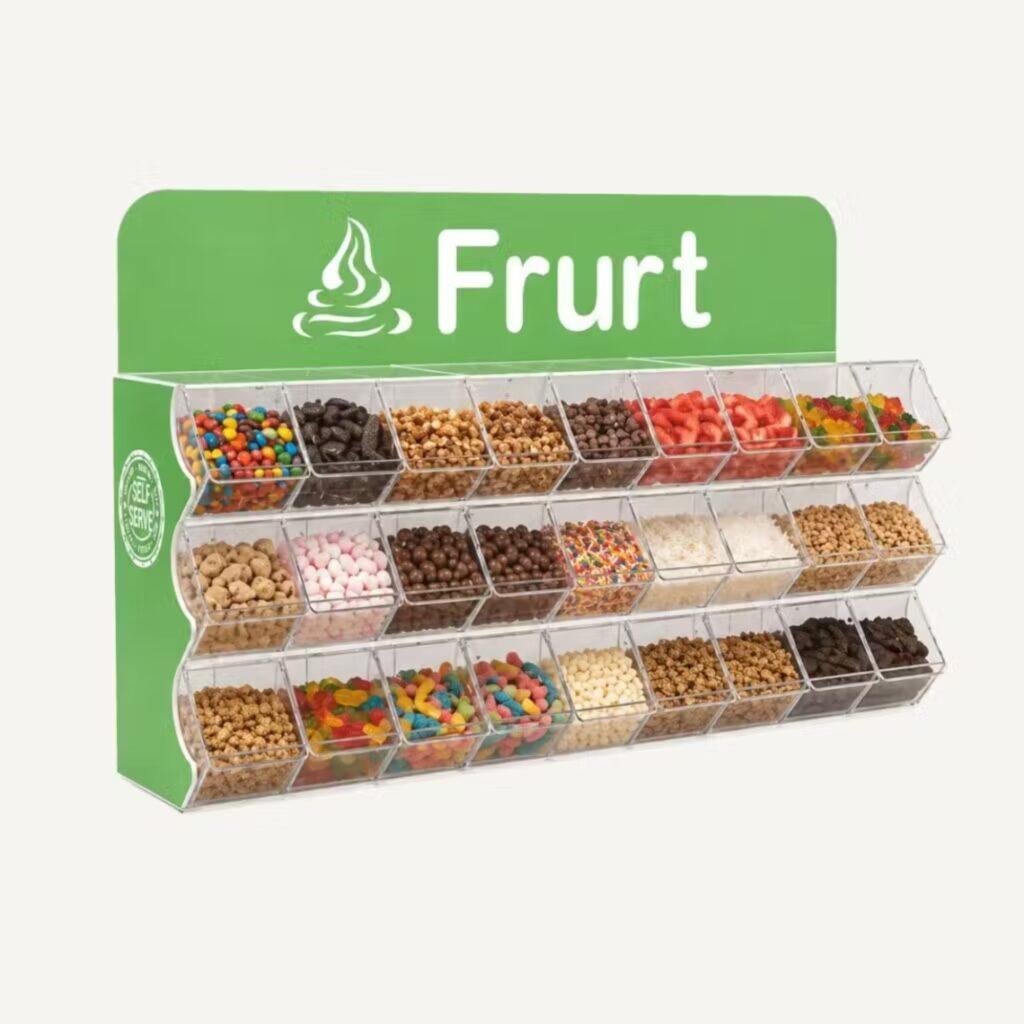
In retail, this approach aligns with innovations such as zero-waste dispensing systems, where products and displays are designed to be reused and refilled rather than replaced.
A strong example of bespoke retail display design in action can be seen in our Frurt self-serve dispenser case study, which demonstrates how tailored solutions can improve accessibility and customer experience.
Sustainability & Cost Efficiency in Retail Displays
Sustainability is increasingly linked to cost efficiency in retail display design. By choosing reusable and adaptable solutions, businesses can reduce waste, extend product lifespan and lower the need for frequent replacements.
This approach can deliver savings in several ways:
♻️ Reduced material waste through reusable display structures
🔁 Longer product lifespans with durable, high-quality materials
📉 Fewer replacement costs over seasonal or promotional cycles
🧠 More efficient use of assets through adaptable, modular design
In retail, this approach aligns with innovations such as zero-waste dispensing systems, where products and displays are designed to be reused and refilled rather than replaced.
A strong example of bespoke retail display design in action can be seen in our Frurt self-serve dispenser case study, which demonstrates how tailored solutions can improve accessibility and customer experience.
From adaptable display systems to careful material selection and efficient production planning, reducing retail display costs is often about making smarter long-term decisions rather than simply choosing the cheapest option.
Smarter Retail Displays, Better Long-Term Value
Reducing retail display production costs isn’t about choosing the cheapest option — it’s about making smarter decisions from the start. At Luminati, we help businesses create cost-effective retail displays that balance quality, durability and flexibility without compromising visual impact.
Why Businesses Choose Luminati:
💡Built for Long-Term Use: Durable display solutions designed to maximise lifespan and reduce replacement costs.
💡Flexible, Future-Proof Designs: Adaptable displays with interchangeable graphics for seasonal promotions.
💡Efficient UK Manufacturing: Precision-built displays produced with careful material planning and efficient production processes.
💡Expert Project Support: Guidance on materials, artwork and cost-saving production solutions.
💡Scalable Production Options: From one-off displays to larger production runs, tailored to your budget.
💡Quality Without Compromise: Professional retail displays manufactured to maintain strong branding, durability and customer impact over time.
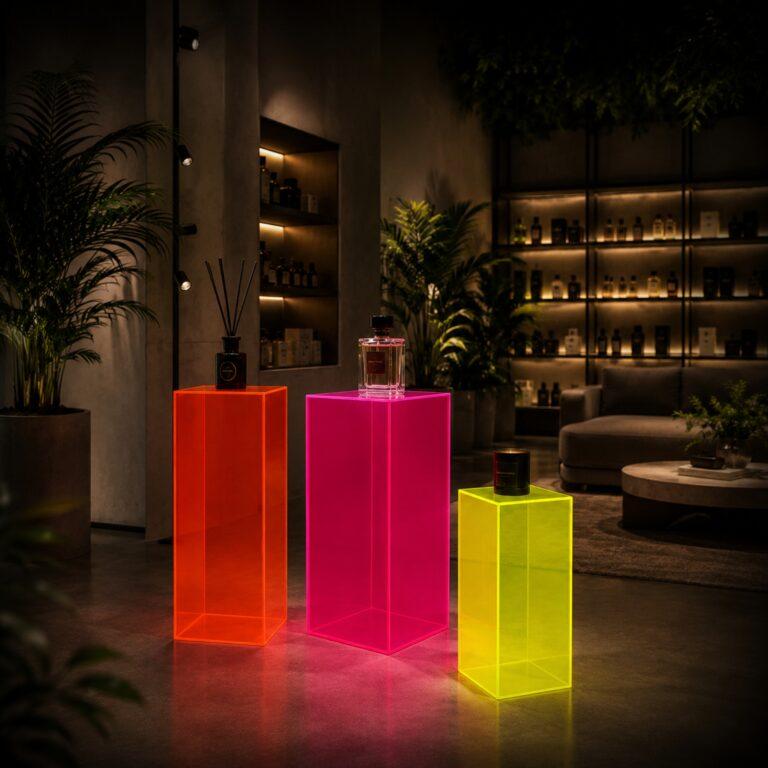
Get in touch with our team to discuss bespoke retail display solutions designed to maximise impact, flexibility and long-term value.
Why Businesses Choose Luminati:
💡Built for Long-Term Use: Durable display solutions designed to maximise lifespan and reduce replacement costs.
💡Flexible, Future-Proof Designs: Adaptable displays with interchangeable graphics for seasonal promotions.
💡Efficient UK Manufacturing: Precision-built displays produced with careful material planning and efficient production processes.
💡Expert Project Support: Guidance on materials, artwork and cost-saving production solutions.
💡Scalable Production Options: From one-off displays to larger production runs, tailored to your budget.
💡Quality Without Compromise: Professional retail displays manufactured to maintain strong branding, durability and customer impact over time.
Get in touch with our team to discuss bespoke retail display solutions designed to maximise impact, flexibility and long-term value.
Frequently Asked Questions (FAQ)
Q: How can retailers reduce the cost of retail display production without affecting quality?
A: Retailers can reduce production costs by planning ahead, ordering in larger quantities, using adaptable display systems, and supplying print-ready artwork from the start. Choosing durable materials and reusable display structures can also lower long-term replacement costs while maintaining a professional appearance.
Q: What are the most cost-effective materials for retail displays?
A: The most cost-effective retail display material depends on the intended use, lifespan, and environment. Foamex PVC is often used for short-term promotional displays, while acrylic, Dibond, and aluminium composite materials are better suited to long-term retail displays due to their durability, professional appearance, and longevity.
Q: Why does supplying high-quality artwork reduce retail display costs?
A: High-quality artwork helps avoid production delays, printing errors, and design amendments. Print-ready files reduce the amount of pre-production work required and minimise the risk of reprints caused by low-resolution images, incorrect dimensions, or missing fonts.
Q: Are reusable retail displays more cost-effective than single-use displays?
A: In many cases, yes. Reusable retail displays with interchangeable graphics or modular components can significantly reduce long-term production costs. Businesses can update promotional messaging seasonally without replacing the entire display unit.
Q: How do bulk orders reduce retail display manufacturing costs?
A: Larger production runs typically reduce the cost per unit because setup, machinery, and material costs are spread across more displays. Batch production can also improve efficiency and reduce waste during manufacturing.
Q: What mistakes commonly increase retail display production costs?
A: Common mistakes include ordering displays at the last minute, supplying incorrect artwork, choosing unsuitable materials, requesting frequent design changes during production, and ordering very small quantities that increase setup costs per unit.
Q: Is it cheaper to use standard retail display sizes?
A: Standard display sizes can often reduce manufacturing costs because they minimise material waste and simplify production. Bespoke displays may require additional cutting, fabrication, and packaging processes, which can increase costs.
Q: How far in advance should retail displays be planned?
A: Planning retail displays several weeks or months in advance can help businesses avoid rush charges, secure preferred materials, and allow time for prototypes, artwork approvals, and production scheduling. Early planning also reduces the likelihood of costly errors.
Q: Can cheaper retail display materials affect durability?
A: Yes. Lower-cost materials may reduce the initial production price, but they can scratch, warp, fade, or deteriorate more quickly in busy retail environments. This can lead to higher replacement costs and negatively impact brand presentation over time.
Q: What is a modular retail display system?
A: A modular retail display system is a display structure designed with interchangeable or reconfigurable components. These systems allow retailers to update graphics, shelving, branding, or layouts without replacing the entire unit, making them a flexible and cost-effective solution for evolving campaigns.
Q: Why are adaptable retail displays important for seasonal promotions?
A: Adaptable retail displays allow businesses to refresh graphics and messaging for different campaigns while reusing the same display structure. This reduces manufacturing costs, speeds up seasonal changeovers, and improves sustainability by reducing waste.
Q: What factors affect the price of custom retail displays?
A: The cost of bespoke retail displays is influenced by factors such as material choice, display size, production quantity, complexity of design, branding requirements, finishing options, delivery times, and installation requirements.
Q: Are simple retail displays more effective than complex designs?
A: In many retail environments, simple and well-branded displays can be more effective than overly complex designs. Clear messaging, good visibility, and practical functionality often improve customer engagement while keeping production costs lower.
Q: How can businesses make retail displays last longer?
A: Choosing durable materials, storing displays correctly, using replaceable graphics, and designing displays for repeated use can all help extend the lifespan of retail display units and improve return on investment.
Q: What are the benefits of investing in high-quality retail displays?
A: High-quality retail displays can improve brand perception, increase product visibility, enhance customer experience, and reduce the need for frequent replacements. Durable, professionally manufactured displays often provide better long-term value despite higher initial costs.